Introduction
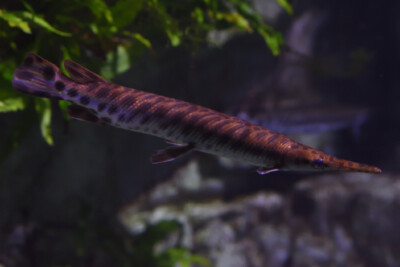
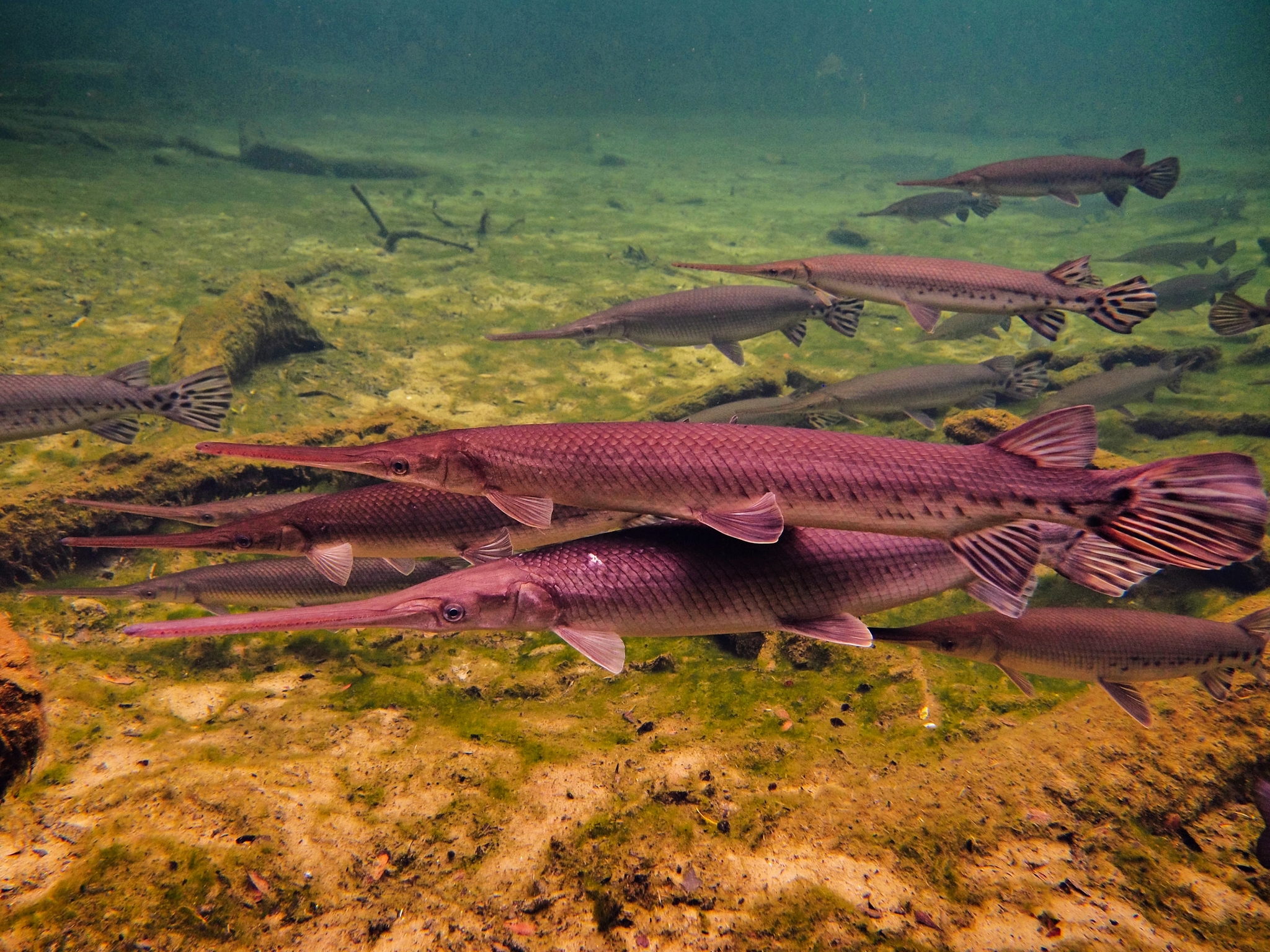
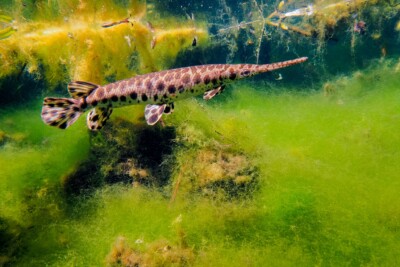
Lepisosteus osseus, commonly known as longnose gar, is a fresh water fish from the North America.
This sheet is currently being prepared. The texts currently proposed come from our data model or are being drafted. To request priority for this content, you can write to us HERE.
Who is it?
Morphology
-
Average size200 cm
-
Maximum size175 cm
-
Longevity18 year
-
Patternponctuations
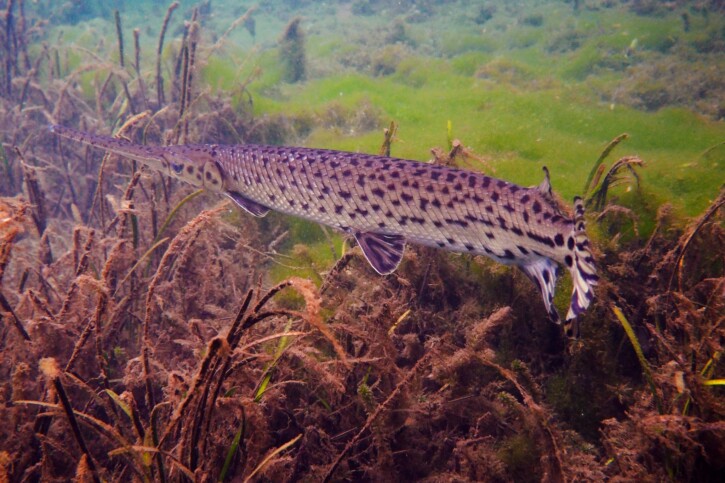
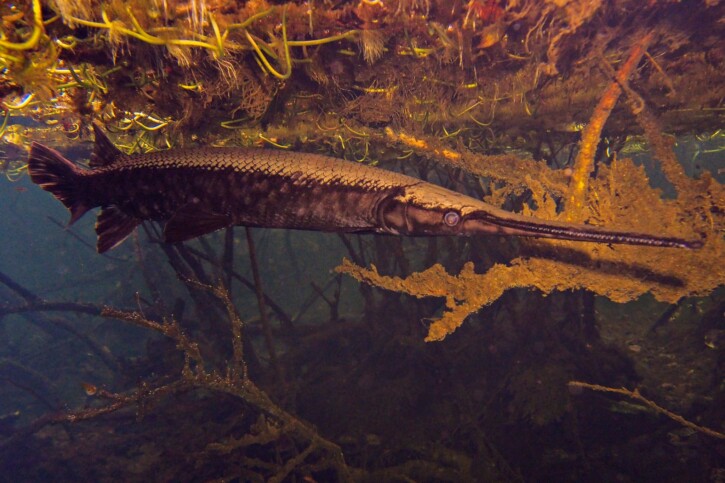
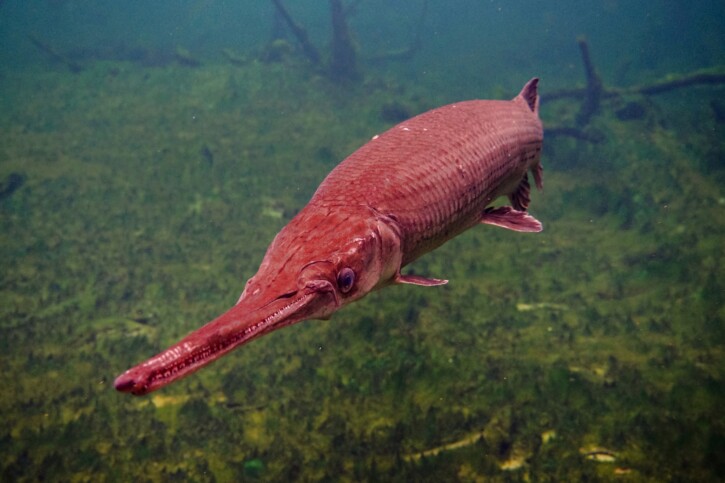
-
Average size200 cm
-
Maximum size175 cm
-
Longevity18 year
-
Patternponctuations
How to recognize This fish ?
The longnose gar measures between 200 and 175 cm. This fish is tricolore with a predominantly noir, marron and beige body. The also has noir ponctuations.
Behaviour & Life cycle
-
dietcarnivorous
-
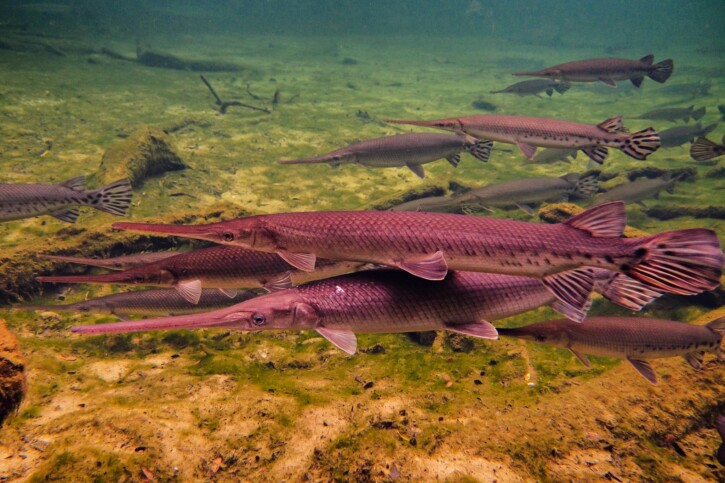
Sociabilityliving in a group or alone
-
territorialNo
-
Way of livingdiurnal
The longnose gar is a fish living in a group or alone naturally found near to the surface. This species is carnivorous .
Although the longnose gar is non-territorial, it is sometimes aggressive towards other species.
Reproduction
-
Reproductionovipare qui pond en eau libre
The longnose gar is a fish ovipare qui pond en eau libre.
Harmless species
This species does not represent any particular threats to humans when encountered in its natural environment.
Origin and distribution
Conservation and international regulations
Where to see this species?
What is its habitat?
Natural environment characteristics
-
Temperature12 - 20 °C
-
pH (acidity)7 - 8
-
gh (hardness)10 - 15
Biotope presentation
The longnose gar is most often found at a depth between 0m and 5m. However, it is not impossible to find this species at other depths.
This species lives near large roots, in which it can find refuge in case of danger. This type of habitat is often found not far from the banks.
To go further
Espèces du même genre
To read on the web

Sources & Contributions
Participation & Validation
The Fishipedia team and specialist contributors are committed to providing high-quality content. However, although the information comes from scientific sources or testimonials from specialists, the cards may contain inaccuracies.

Adrien Falzon
Translation
Translation done with the valuable contribution of our translators, who make this information available to a wider audience. We sincerely thank them for their commitment.
Where to see this species?
Scientific partners