
Introduction
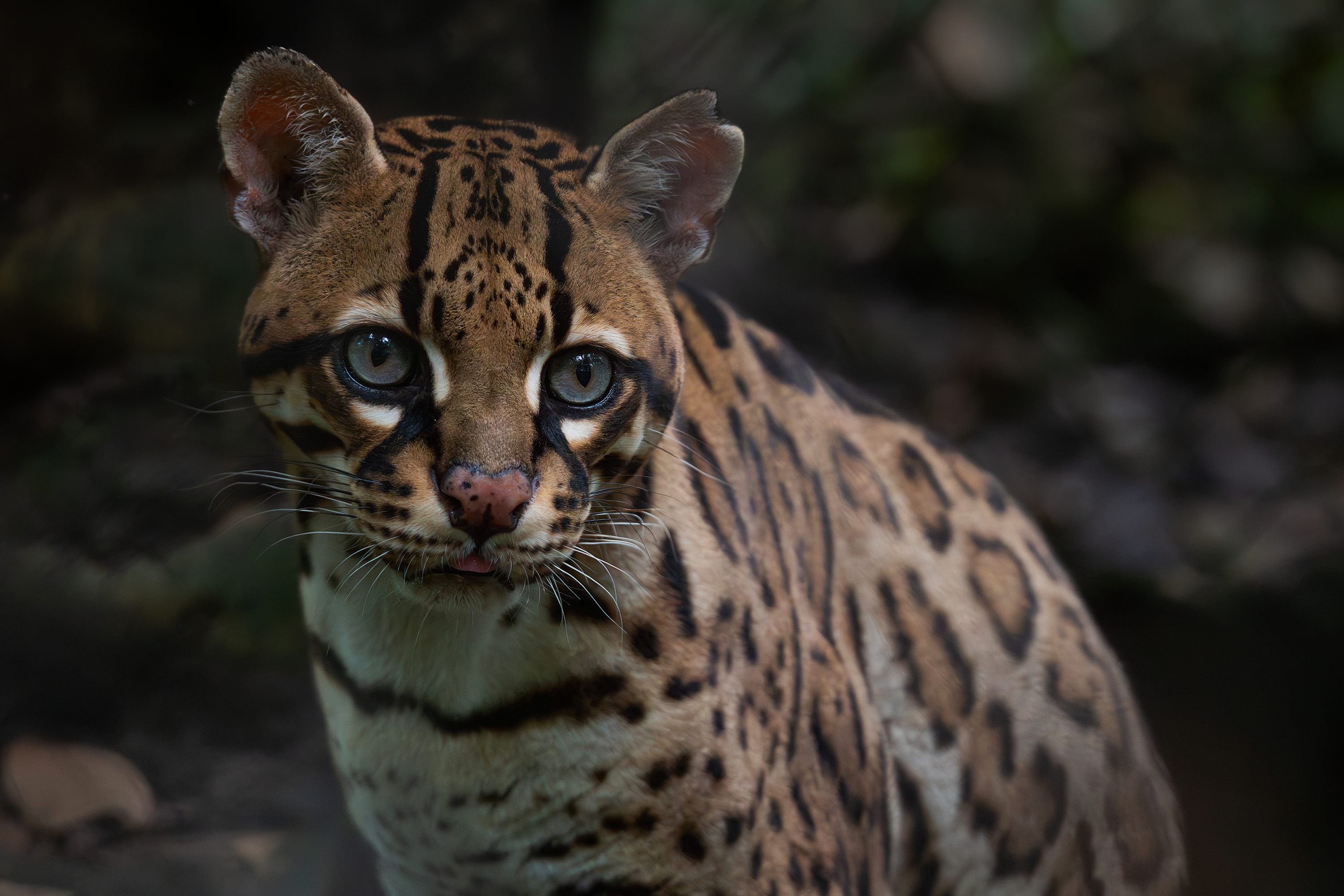
Leopardus pardalis, commonly known as ocelot, is a fresh water mammal.
Who is it?
Morphology
-
Size60 - 80 cm
-
Weight10 - 12 kg
-
Motiftasks
-
Size60 - 80 cm
-
Weight10 - 12 kg
-
Motiftasks
How to recognize This mammal ?
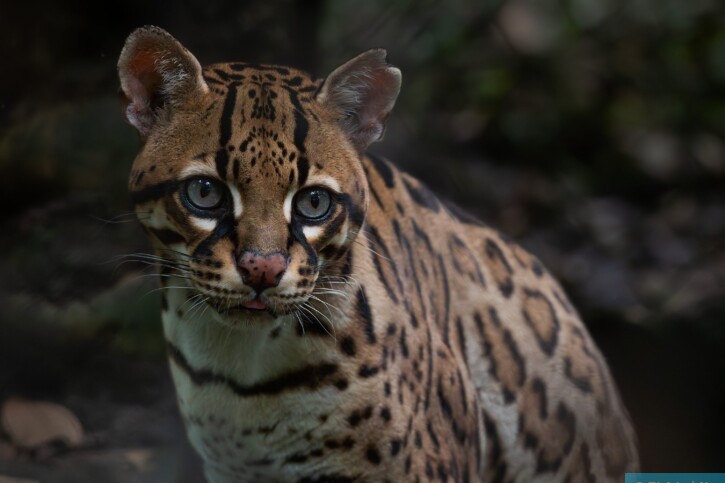
The ocelot measures between 60 and 80 cm. This mammal is bicolore with a predominantly jaune, orange and noir body. The also has orange and noir tasks.
Behaviour & Life cycle
-
dietcarnivorous
-
Sociabilitysolitary
-
territorialYes
-
Way of livingdiurnal
The ocelot is a mammal solitary naturally found Terre. This species is carnivorous .
This species is territorial and does not appreciate the presence of intruders nearby, especially animals with similar behavior. It can also be virulent toward conspecifics. However, the ocelot has little concern for non-territorial animals. In a constant quest for dominance, the dominant males of this species cannot stand each other. The battle between two individuals can be intense and violent. It will result in the submission and sometimes even death of one of the protagonists.
Reproduction
-
Reproductionvivipare
The ocelot is a mammal vivipare.
Harmless species
This species does not represent any particular threats to humans when encountered in its natural environment.
Origin and distribution
Conservation and international regulations
Where to see this species?

What is its habitat?
Natural environment characteristics
-
Temperature15 - 30 °C
-
FlowSlow and Stagnant
Biotope presentation
The acidification of water comes from the decomposition of plants. This phenomenon changes the color of the water, which tends to turn brown. In some areas particularly rich in organic matter, the water is so dark that it is called "black water".
The ocelot is most often found at a depth between 0m and 1m. However, it is not impossible to find this species at other depths. This animal evolves in areas characterized by a strong presence of vegetation (aquatic and marsh plants, decaying organic matter, roots...).
The soil is generally composed of peat and of rocks.

To go further
To read on the web
Sources & Contributions
Participation & Validation
The Fishipedia team and specialist contributors are committed to providing high-quality content. However, although the information comes from scientific sources or testimonials from specialists, the cards may contain inaccuracies.

Benoit Chartrer
Translation
Translation done with the valuable contribution of our translators, who make this information available to a wider audience. We sincerely thank them for their commitment.
Where to see this species?
Scientific partners



Tags


