
Introduction
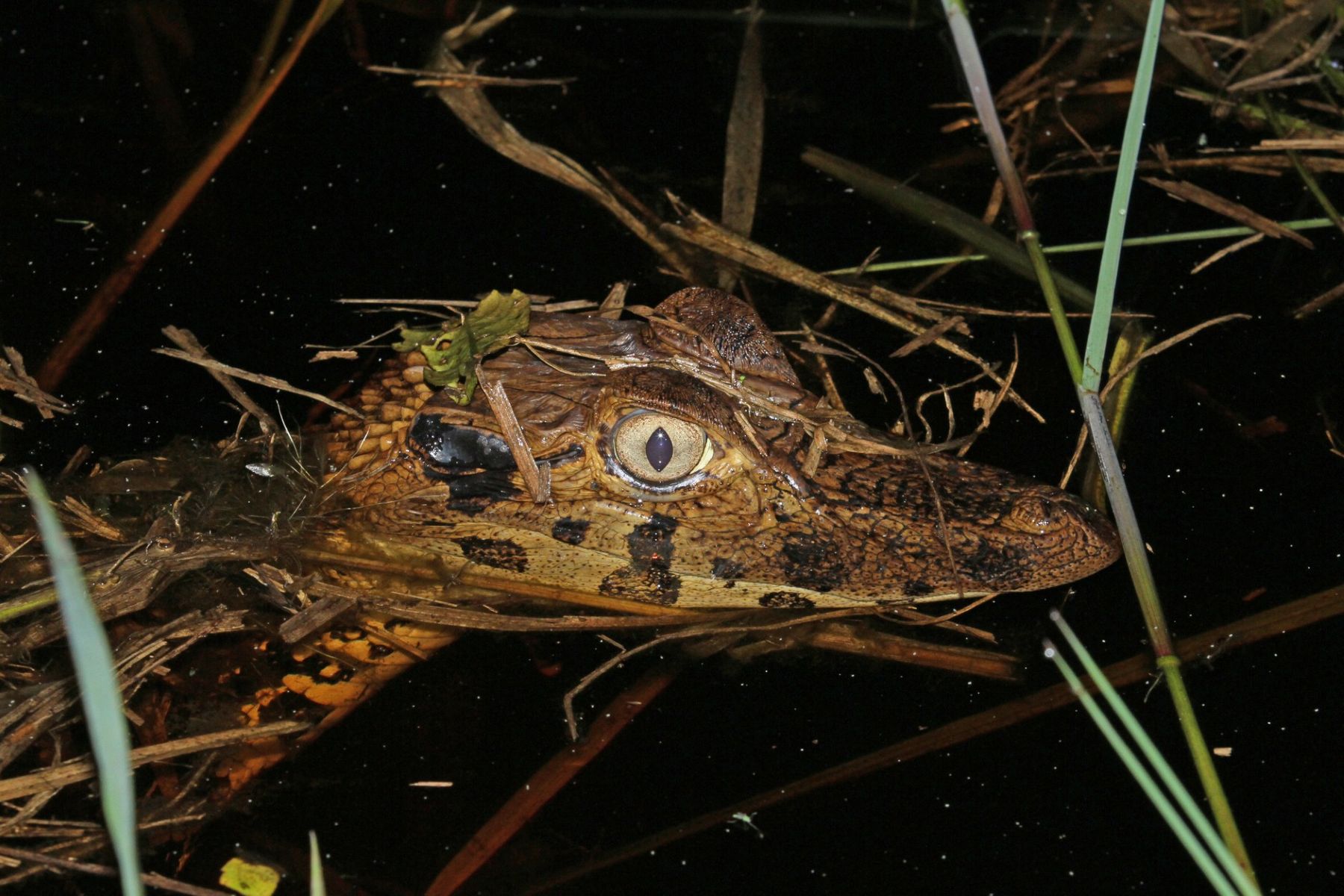
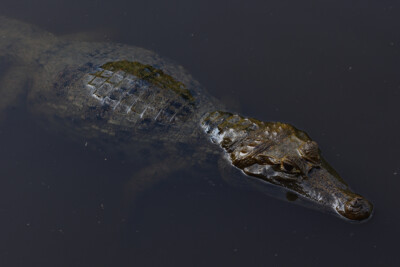
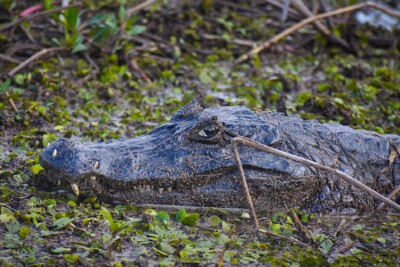
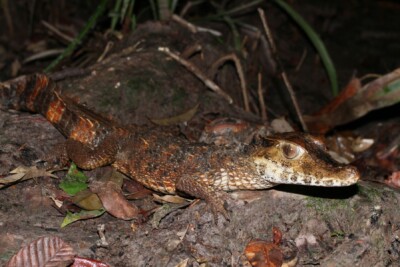
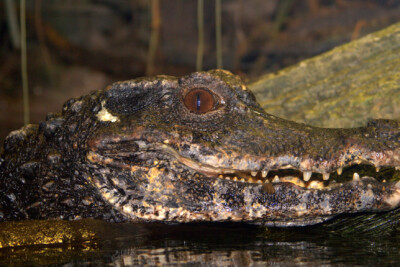
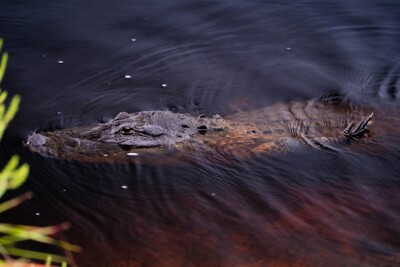
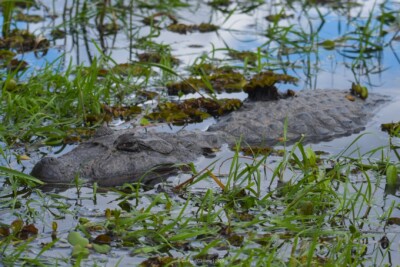
Melanosuchus niger, commonly known as Black Caiman, is a little fresh water reptile from the Amérique du Sud.
Who is it?
Morphology
-
Female size2 - 2.9 cm
-
Male size3.8 - 5.1 cm
-
Mimicrymud
-
Female size2 - 2.9 cm
-
Male size3.8 - 5.1 cm
-
Mimicrymud
How to recognize This reptile ?
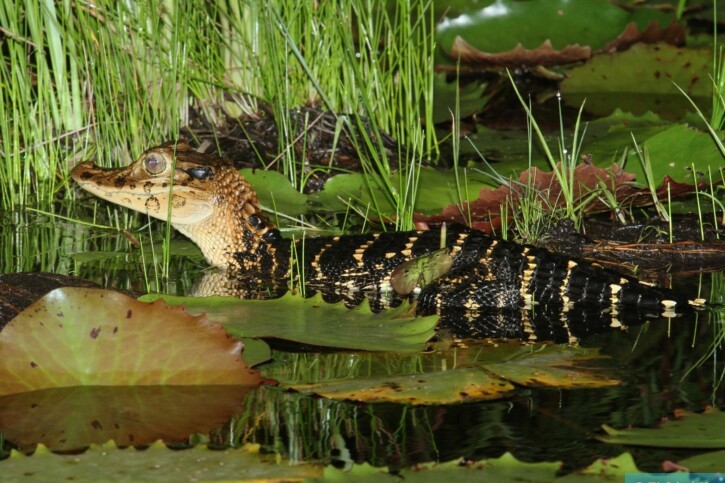
The Black Caiman measures around 3.8 cm. The dominant males can however reach 5.1 cm. This reptile is unicolore with a predominantly noir and gris body.
Sexual dimorphism
The adult male is bigger than the female.
Behaviour & Life cycle
-
Sociabilityliving in a group or alone
-
Way of livingdiurnal
-
VenomousNo
-
Dietpredator
The Black Caiman is a reptile living in a group or alone naturally found Terre. This species is carnivorous . Measuring only a few centimeters, this small species tends to be discreet and hide in the presence of larger neighbors.
The Black Caiman is a territorial animal that does not tolerate any incursions into its living area. It is particularly virulent against other territorial species and it can provoke heated fights. In a constant quest for dominance, the dominant males of this species cannot stand each other. The battle between two individuals can be intense and violent. It will result in the submission and sometimes even death of one of the protagonists.
Reproduction
-
Reproductionovipare
-
Clutch size0 - 0 eggs
The Black Caiman is a reptile ovipare.
Life-threatening species
-
VenomousNo
-
BiteYes
This species can attack if it feels threatened. It is important to be particularly vigilant especially during dives or fishing sessions. In the most serious cases, it can cause death.
Origin and distribution
What is its habitat?
Natural environment characteristics
-
Temperature24 - 30 °C
-
FlowSlow
Biotope presentation
The acidification of water comes from the decomposition of plants. This phenomenon changes the color of the water, which tends to turn brown. In some areas particularly rich in organic matter, the water is so dark that it is called "black water".
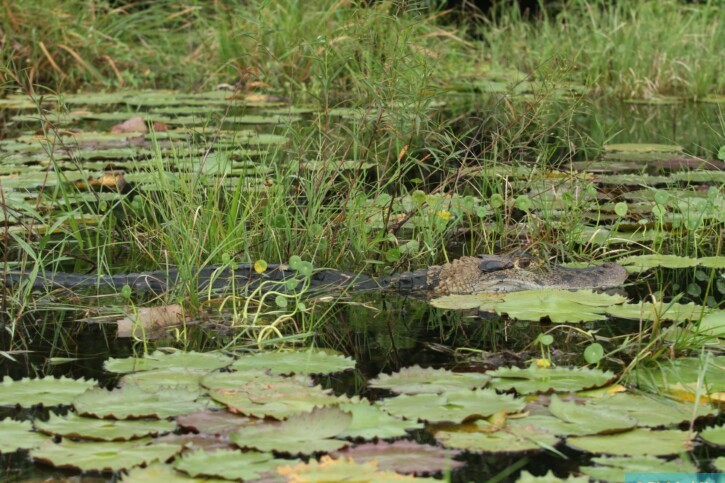
The Black Caiman is most often found at a depth between 0m and 3m. However, it is not impossible to find this species at other depths. This animal evolves in areas characterized by a strong presence of vegetation (aquatic and marsh plants, decaying organic matter, roots...).
The soil is generally composed of sand and of vase.
To go further
Sources & Contributions
Participation & Validation
The Fishipedia team and specialist contributors are committed to providing high-quality content. However, although the information comes from scientific sources or testimonials from specialists, the cards may contain inaccuracies.

Benoit Chartrer
Translation
Translation done with the valuable contribution of our translators, who make this information available to a wider audience. We sincerely thank them for their commitment.
Scientific partners



Tags
Species of the same family


