
Smooth-fronted caiman
| Family | Alligatoridae |
|---|---|
| Genus | Paleosuchus |
| IUCN category (World) | LC |
Introduction
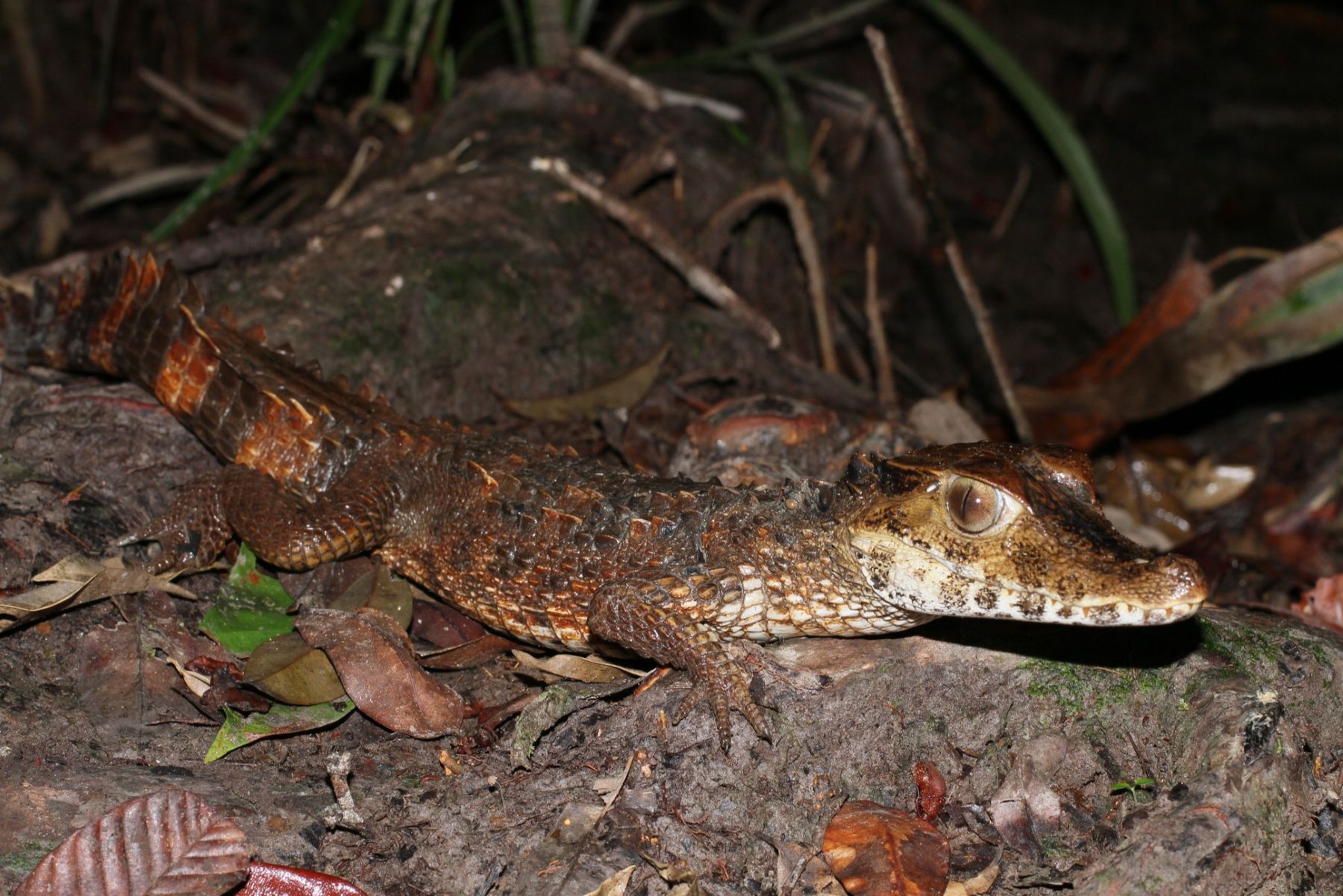
Paleosuchus trigonatus, commonly known as Smooth-fronted caiman, is a fresh water reptile from the Amérique du Sud.
Who is it?
Morphology
-
Size200 - 250 cm
-
Mimicrymud
-
Size200 - 250 cm
-
Mimicrymud
How to recognize This reptile ?
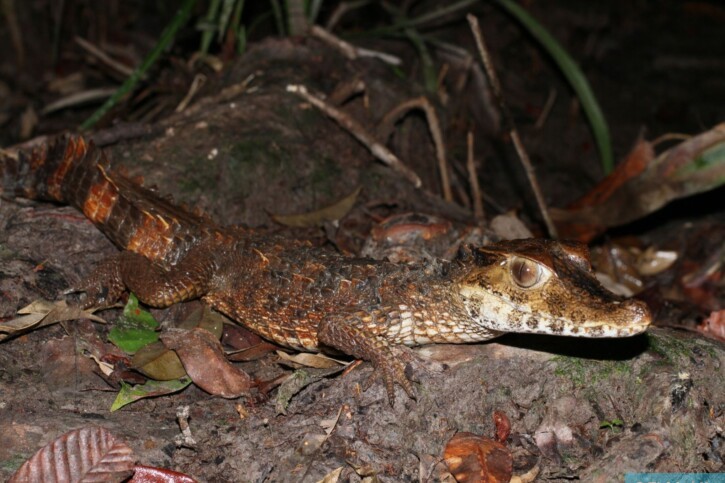
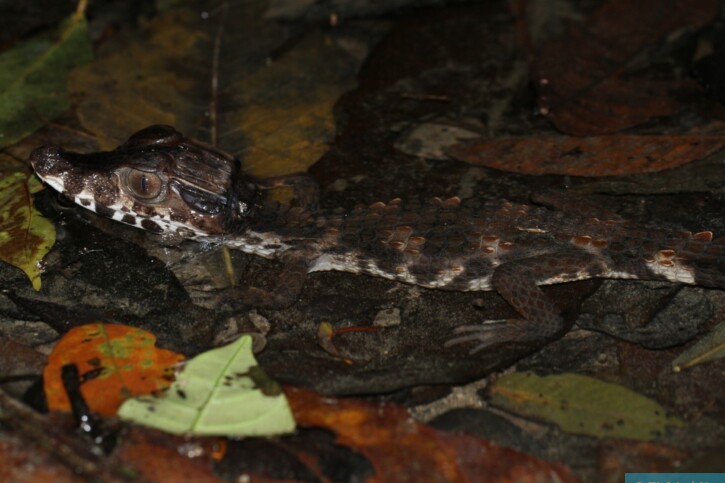
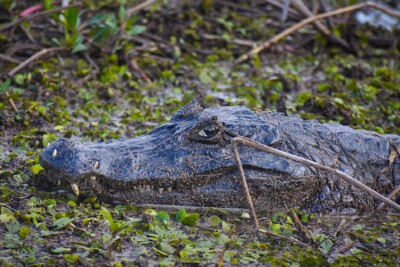
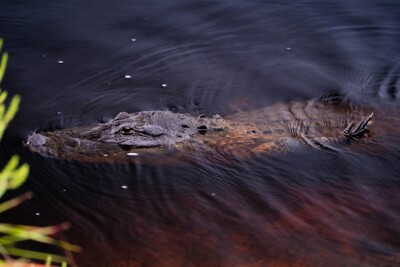
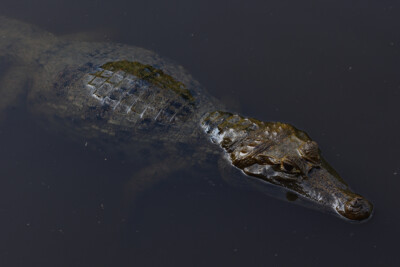
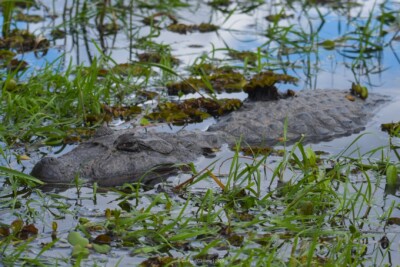
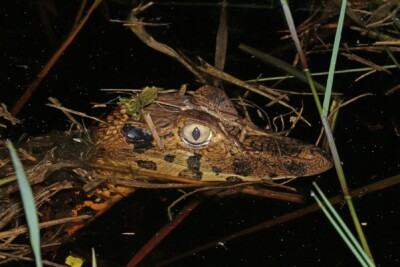
The Smooth-fronted caiman measures between 200 and 250 cm. This reptile is unicolore with a predominantly gris body.
Behaviour & Life cycle
-
Sociabilitysolitary
-
Way of livingdiurnal
-
VenomousNo
-
Dietpredator
The Smooth-fronted caiman is a reptile solitary. This species is carnivorous .
Although the Smooth-fronted caiman is non-territorial, it is sometimes aggressive towards other species. In a constant quest for dominance, the dominant males of this species cannot stand each other. The battle between two individuals can be intense and violent. It will result in the submission and sometimes even death of one of the protagonists.
Reproduction
-
Reproductionovipare
-
Clutch size0 - 0 eggs
The Smooth-fronted caiman is a reptile ovipare.
Risks for humans
-
VenomousNo
-
BiteYes
This species can attack if it feels threatened. It is important to be particularly vigilant especially during dives or fishing sessions.
Origin and distribution
Conservation and international regulations
What is its habitat?
Natural environment characteristics
-
Temperature18 - 30 °C
-
FlowStrong, Medium and Slow
Biotope presentation
The acidification of water comes from the decomposition of plants. This phenomenon changes the color of the water, which tends to turn brown. In some areas particularly rich in organic matter, the water is so dark that it is called "black water".
The Smooth-fronted caiman is most often found at a depth between 0m and 1m. However, it is not impossible to find this species at other depths.
The Smooth-fronted caiman prefers well oxygenated waters in current areas and rapids. It frequents fast flowing waters where the bottom is strewn with pebbles, wood or leaves carried by the current. It can be found not far from waterfalls and in mossy areas nearby.
This animal evolves in areas characterized by a strong presence of vegetation (aquatic and marsh plants, decaying organic matter, roots...).The soil is generally composed of sand and pebbles.
To go further
Sources & Contributions
Participation & Validation
The Fishipedia team and specialist contributors are committed to providing high-quality content. However, although the information comes from scientific sources or testimonials from specialists, the cards may contain inaccuracies.

Benoit Chartrer
Translation
Translation done with the valuable contribution of our translators, who make this information available to a wider audience. We sincerely thank them for their commitment.
Scientific partners



Species of the same family


